DBT to Jobs: Women’s Guide to State Portals
State welfare schemes can help women meet urgent household needs, but long-term financial stability often needs a second step: access to work, skills, and verified employment information. This is where Direct Benefit Transfer schemes and state employment portals can support each other.
A DBT scheme may help with monthly or yearly financial assistance. An employment portal can help jobseekers register, search vacancies, attend job fairs, and connect with employers. Used carefully, both systems can reduce dependence on agents and help families make better decisions.
What DBT Support Means for Women
Direct Benefit Transfer, or DBT, sends government benefits directly to the beneficiary’s bank account. The purpose is simple: reduce delays, remove middlemen, and make payments easier to track.
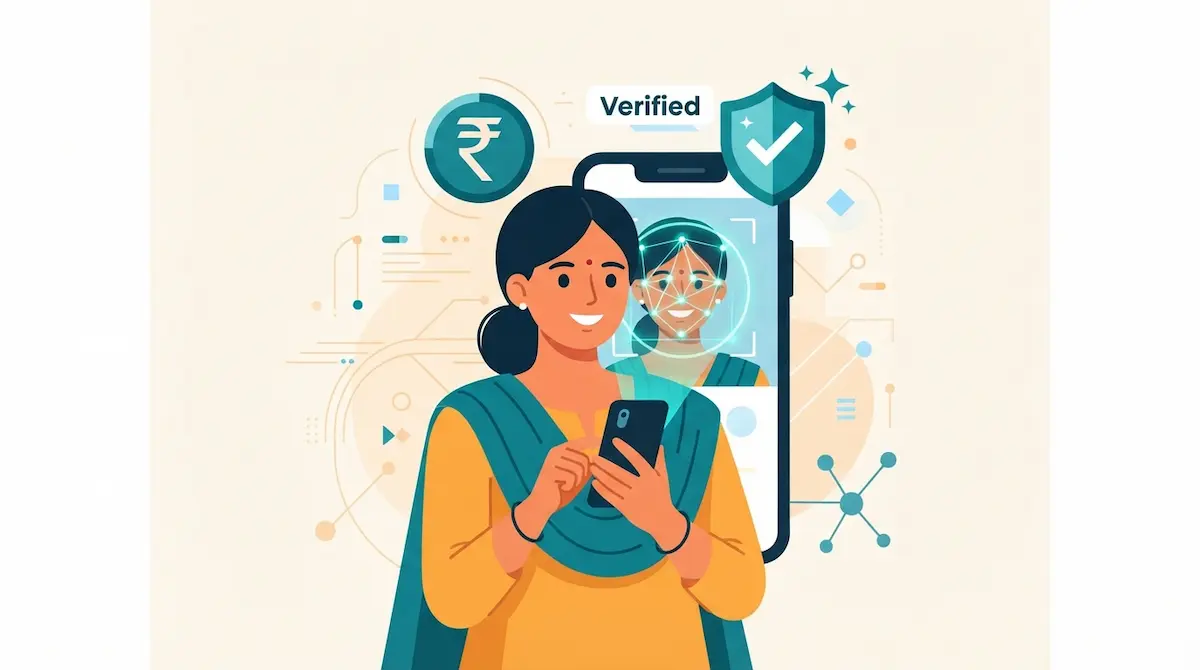
For women beneficiaries, DBT usually depends on correct personal details, Aadhaar verification, bank account status, and scheme eligibility. If the name, Aadhaar number, mobile number, or bank information is wrong, payments may be delayed or rejected.
This is why beneficiaries should keep their documents updated before checking payment status or filing complaints.
Subhadra Yojana as a DBT Example
Subhadra Yojana is Odisha’s women-focused financial assistance scheme. It is meant for eligible women in Odisha and provides support through Aadhaar-enabled and DBT-enabled bank accounts.
The scheme shows how state welfare is becoming more digital. Beneficiaries may need to check application status, payment status, bank linking, and eKYC updates through official channels or authorized service points.
Women should avoid giving Aadhaar OTP, bank OTP, debit card details, or login passwords to unknown agents. A real scheme process does not require sharing private banking credentials with strangers.
Why Welfare Support Should Connect With Job Search
Cash assistance can help with food, travel, education expenses, health needs, or daily household pressure. But many women and young family members also need income opportunities.
That is where employment portals become useful. A state job portal can help jobseekers create a profile, search jobs by location or qualification, apply online, and track employment opportunities without depending only on local contacts.
For families receiving DBT support, this can be a practical next step. One member may receive welfare assistance while another uses an employment portal to look for private jobs, government job notices, Rojgar Mela updates, or skill-based work.
State Employment Portals After DBT Support
Every state may have its own welfare schemes and employment systems. Odisha users should follow Odisha-specific portals for Subhadra Yojana updates. Uttar Pradesh users should follow the UP employment system for job registration and related services.
Women and young jobseekers outside Odisha should use their own state employment systems; for Uttar Pradesh users, this UP Rojgaar Sangam registration guide explains how the Sewayojan process, login, job search, and Rojgar Mela options work.
This type of state-wise separation is important. A person should not use an Odisha welfare portal for UP job registration, and a UP employment portal should not be treated as a Subhadra payment-status website.
How to Use State Portals Safely
Check the official purpose first
Before entering details, understand what the portal is made for. A welfare portal usually handles application status, beneficiary details, eKYC, and payment updates. An employment portal usually handles jobseeker registration, vacancies, job fairs, employer listings, and career services.
Keep documents consistent
Your name, date of birth, Aadhaar details, mobile number, bank account, address, education certificates, and caste or income documents should match wherever required. Mismatched records are a common reason for delays.
Avoid duplicate registrations
Creating multiple accounts with different details can create verification problems. Use one correct mobile number and keep login details safely.
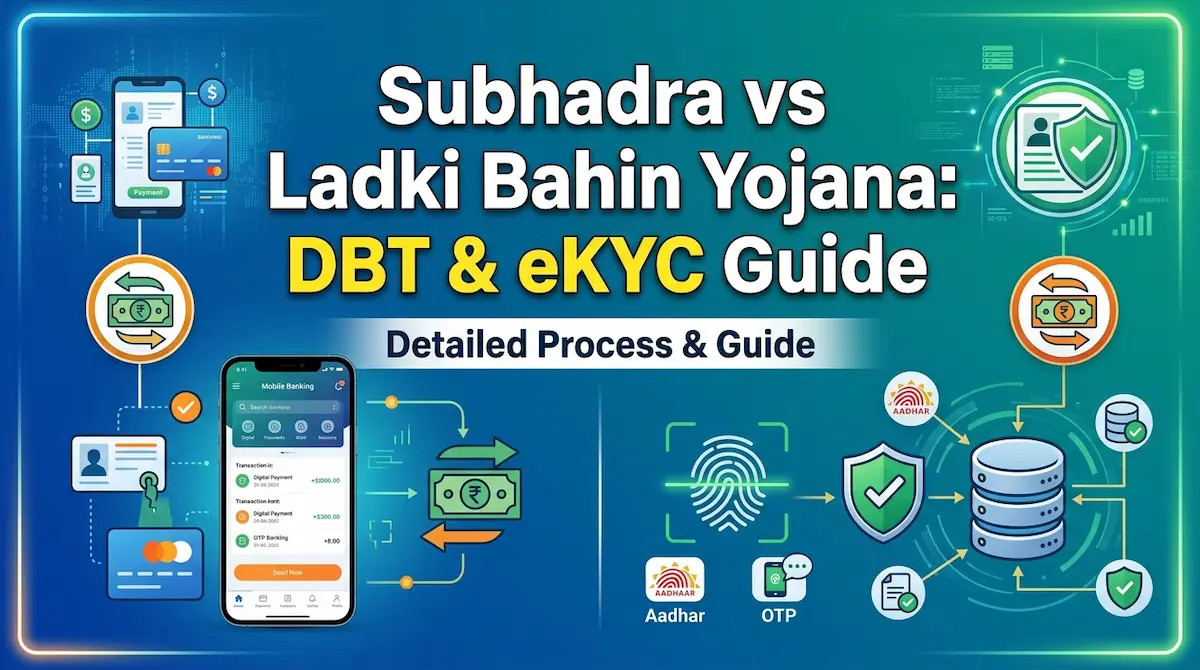
Read also: Subhadra vs Ladki Bahin Yojana: DBT & eKYC Guide
Do not trust payment shortcuts
No genuine welfare or employment process can “guarantee” instant approval through a private agent. If someone asks for OTP, bank PIN, ATM card photo, or payment for fake priority approval, treat it as unsafe.
DBT and Job Portal Checklist
Before using any welfare or employment portal, check these points:
| Checkpoint | Why It Matters |
|---|---|
| Aadhaar details | Used for identity verification in many schemes |
| Bank account status | Closed or dormant accounts can block payment |
| DBT linking | Needed for direct benefit transfer in many schemes |
| Mobile number | Used for OTP, login, and alerts |
| Education details | Needed for job matching and vacancy filters |
| Location | Helps find state, district, or local job options |
| Official portal name | Prevents confusion with fake websites |
Common Mistakes to Avoid
Many users search only one keyword and click the first result without checking whether the website is official, informational, or fake. This can lead to wrong forms, outdated instructions, or privacy risk.
Another mistake is mixing schemes from different states. Subhadra Yojana is connected with Odisha. Sewayojan and Rojgaar Sangam are connected with Uttar Pradesh employment services. Both can help users, but they serve different purposes.
Users should also avoid relying only on social media screenshots. Scheme rules, eligibility lists, payment dates, and verification requirements can change. Always confirm important details from official portals, district offices, helplines, or authorized service centers.
Read also: Subhadra Yojana 5th Installment: August 2026 News
Final Advice
DBT support and employment portals are both useful, but they should be used with care. Welfare schemes can provide financial support, while job portals can help people search for income opportunities through verified registration and job listings.
The safest approach is simple: use the correct state portal, keep documents updated, protect OTPs and bank details, and check official instructions before applying. For women and families trying to move from support to stable income, this combination can make digital government services more useful and less confusing.